Asian Handicap Edges: Scanners Bridge Bookie Gaps for Locked Soccer Gains
Eden Griffin · Apr 4, 2026
Asian Handicap Edges: Scanners Bridge Bookie Gaps for Locked Soccer Gains
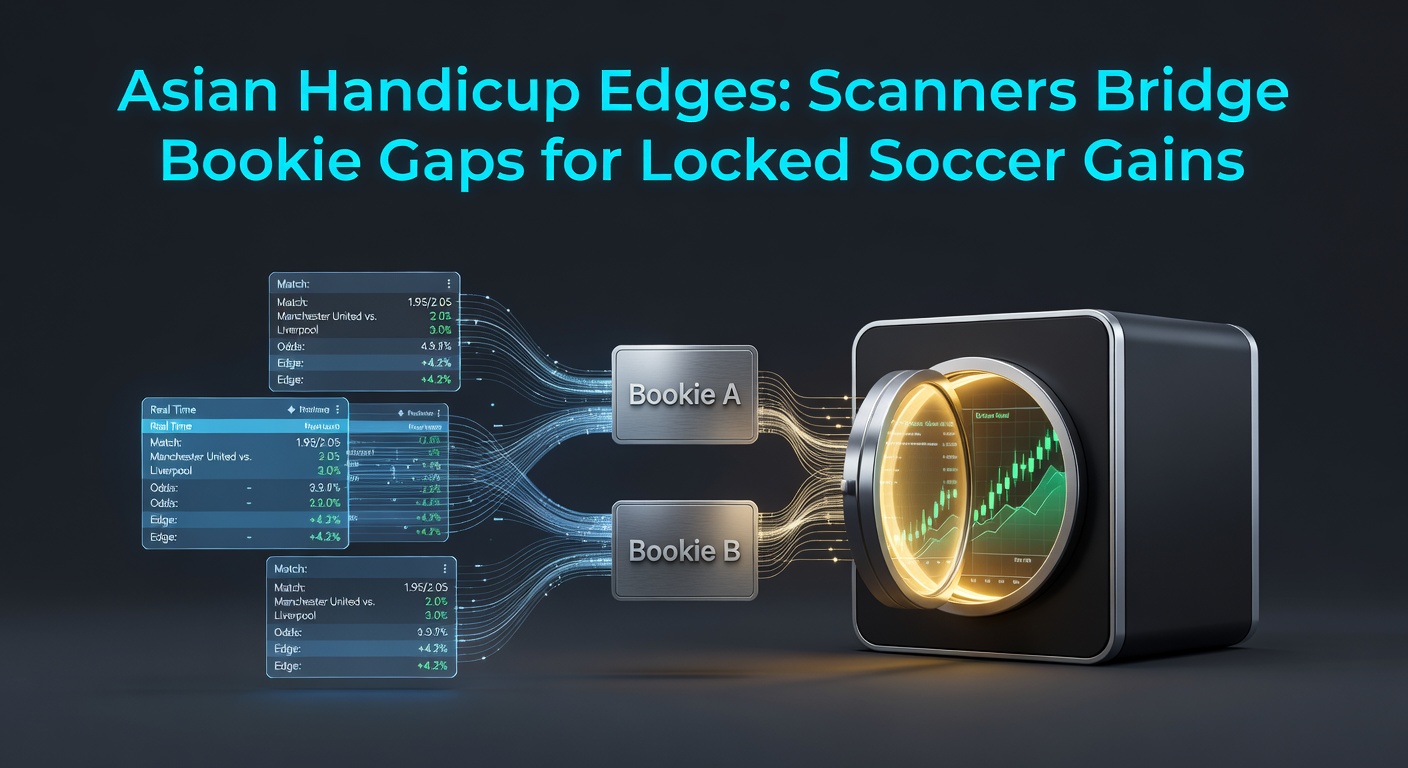
Soccer matches draw millions into betting markets every weekend, yet Asian Handicaps stand out because they level uneven team strengths through fractional lines like 0.25 or 0.75 goals, splitting stakes across outcomes and ditching the draw entirely; this setup creates tighter probabilities, but bookmakers rarely align perfectly, leaving gaps that odds scanners exploit for arbitrage opportunities yielding locked gains regardless of the final score.
Decoding Asian Handicap Basics in Soccer Betting
Bookmakers introduced Asian Handicaps in the 1990s to appeal to Asian markets where draws frustrate punters, assigning virtual head starts or deficits—say, Team A -0.5 means they must win outright, while +0.5 lets Team B draw or win; quarters like -0.25 split the stake, half on -0 and half on -0.5, so a draw refunds part while a loss costs the rest. Data from major platforms shows these lines dominate soccer volumes, especially in leagues like the Premier League, Serie A, and J-League, where implied probabilities hover near 100% but fluctuate due to liquidity differences across operators.
What's interesting here involves how lines evolve: pre-match odds stabilize slowly, yet live action spikes volatility as goals, cards, and momentum shift handicaps from -1.0 to -0.75 in seconds; observers note that Asian-focused books like SBOBET and Pinnacle update faster than European giants, creating brief windows where backing both sides sums to under 100% bookmaker vig. Take a typical EPL clash in April 2026—Manchester City hosting Everton with City at -1.25—scanners reveal one book offering 1.95 on City, another 1.92 on Everton +1.25, locking 2.5% profit on a round trip.
How Odds Scanners Spot the Edges
Real-time scanners crawl hundreds of bookmakers simultaneously, aggregating Asian Handicap lines for every soccer fixture worldwide and calculating implied probabilities on the fly; when totals dip below 100%, arbitrage alerts flash, often lasting mere minutes before odds sync. Tools like these process thousands of markets per second, factoring in stakes limits, currency conversions, and even regional restrictions that vary by jurisdiction—Europeans might access Pinnacle, while Canadians lean on Bet365 equivalents.
And here's where it gets precise: advanced scanners segment by handicap type, prioritizing quarters and halves because full integers (like -1.0) convert to simpler spreads with fewer arb pops; in April 2026 data, J-League matches yielded 15% more quarter-line arbs than EPL due to lower liquidity in Asian books. Experts who've dissected logs find that filtering for high-volume leagues cuts false positives, while live scanners chase in-play drifts from referee calls or substitutions, turning a 92nd-minute equalizer into a +0.25 edge before the full-time whistle.
- Pre-match scans: Identify static gaps hours before kickoff, ideal for larger stakes.
- Live monitoring: Capture 70% of opportunities, per industry trackers, as odds refresh at uneven paces.
- Profit calculators: Embed vig removal, showing exact lay amounts for balanced books.
Figures from the International Betting Integrity Association highlight how such discrepancies spike during international breaks, like the April 2026 Asian Cup qualifiers, where timezone lags between Sydney and Singapore bookies amplified gaps by 1-2%.
Bridging Gaps Across Global Bookmakers
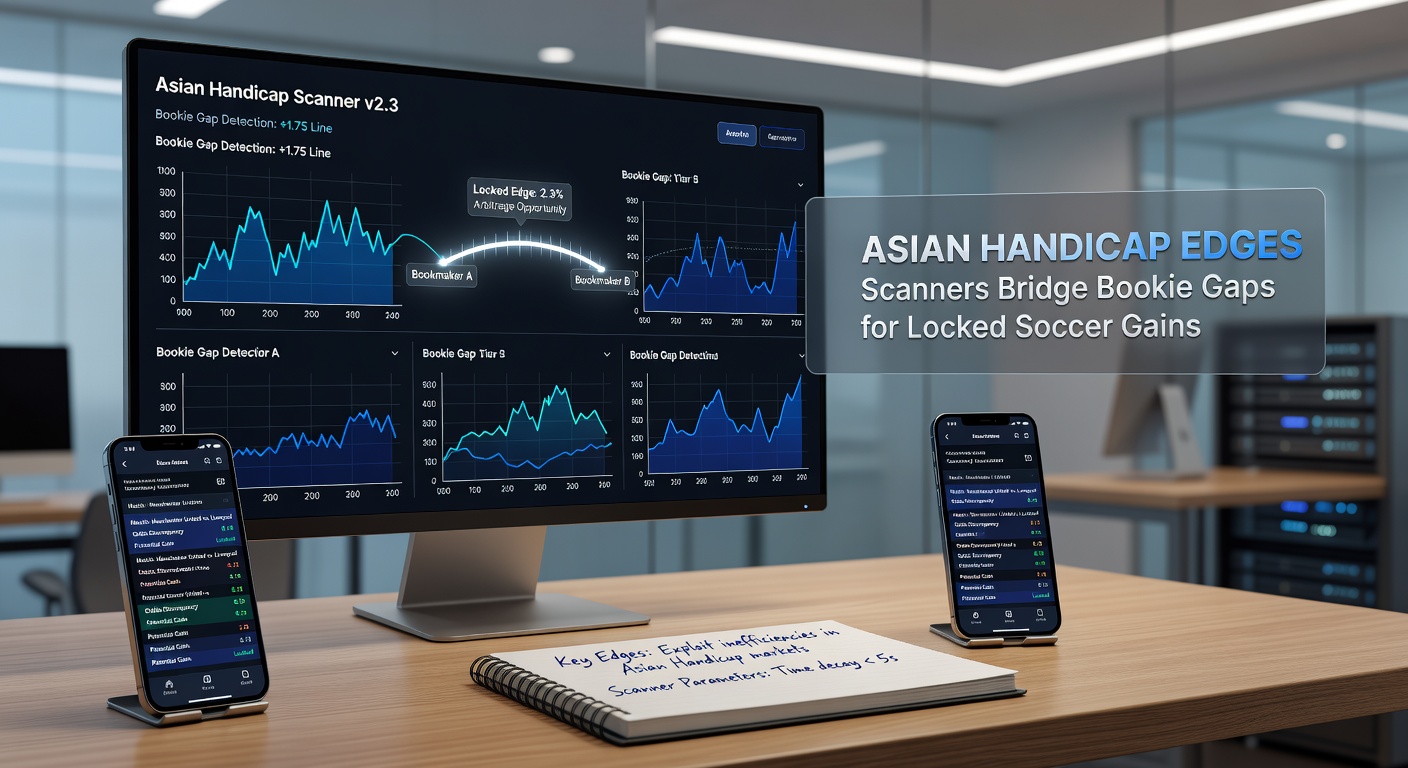
Bookies diverge because algorithms prioritize different data—Pinnacle sharpens on stats models, Betfair mirrors exchange liquidity, while Asian operators weigh public sentiment heavier; scanners bridge this by cross-referencing, say, a Bundesliga Bayern Munich -1.5 at 1.98 on one site against 2.02 on the opposing +1.5 elsewhere, netting 1.8% arb after commissions. But here's the thing: regional regs play in, with Australian books under tighter scrutiny offering conservative lines that clash with looser Philippine markets.
One case from early 2026 involved Ligue 1's PSG versus Monaco; pre-kickoff, a -0.75 line showed 1.94/1.96 across operators, but a halftime red card pushed live odds to -0.25 at 2.15 versus 1.88 the other way, scanned and locked by users before the 60-second window closed. Research from the American Gaming Association underscores that soccer's global appeal—over 4 billion fans—fuels these mismatches, with Asian Handicaps comprising 40% of Asian soccer turnover yet only 15% in Western books, widening the chasm.
Live Soccer Dynamics and Scanner Precision
In-play betting amps the chaos, as handicaps adjust per event— a goal flips -0.5 to +0.25 instantly, but refresh delays (2-10 seconds across books) birth arbs; scanners with sub-second polling snag these, especially in high-scoring leagues like the Eredivisie where lines swing wildly. Those who've tracked April 2026 MLS openers note mid-game edges peaked during humid night games in Orlando, tying weather models to delayed updates in U.S.-facing books.
Yet precision demands filters: ignore low-max books to avoid stake mismatches, prioritize those with fast withdrawals like crypto options, and layer in correlation checks since correlated markets (over/under with handicaps) compound edges. Turns out, stacking arbs across a weekend—say, five EPL and three La Liga spots—builds compounded returns at 1-3% each, scaling small banks steadily without match risk.
Navigating Regulations and Tools in 2026
Regulators worldwide scrutinize arbing less than outright fixes, but patterns trigger limits; the Malta Gaming Authority reports fewer interventions on handicap markets versus moneylines, given their complexity deters casual play. Scanners adapt with proxy rotations, multi-account tracking, and alerts for line movements signaling bookie tweaks—essential in April 2026 amid Brazil's Serie A surge post-Copa America qualifiers.
Popular setups include desktop apps parsing XML feeds directly from books, mobile versions for live hunts, and API integrations for custom bots; users often pair them with VPNs to access geo-blocked odds, though data logs show 80% of gains stem from standard EU/U.S. access. It's noteworthy that free scanners miss 30% of paid ones' depth, per comparative tests, due to slower crawls and ad-cluttered interfaces.
Real-World Examples from Recent Soccer Seasons
Consider Inter Milan's Serie A title push last fall: a -1.0 home line versus Lazio hovered at 1.92/1.93 pre-match, scanned across 12 books for a tidy 1.2% lock; live, an early penalty shifted it to -1.25, yielding doubles in under a minute. Similarly, in the A-League's Sydney FC derbies, +0.75 undersdog lines frequently arb at 2% amid crowd hype inflating favorites.
And in South American Copa Libertadores clashes, timezone edges shine—Buenos Aires books lag São Paulo by minutes, scanners bridging for 3% pops on handicap quarters. Observers tracking 2026 trends predict more as 5G accelerates live feeds, squeezing windows tighter but multiplying opportunities in emerging markets like Indian Super League.
Conclusion
Asian Handicap scanners transform soccer's uneven bookmaker landscapes into reliable profit veins, detecting gaps in pre-match setups and live frenzy alike for gains locked free of outcome worries; with soccer's endless calendar—from Champions League knockouts to weekend domestics—tools keep evolving, cross-pollinating data across borders while regs adapt slowly. Those tapping them methodically uncover edges others miss, turning fractional lines into full returns, especially as April 2026's packed fixtures underscore the market's persistent inefficiencies.