Decoding Algorithmic Shifts: How Automated Tools Identify Transient Value in Lesser-Known Leagues
Elena Long · Jun 28, 2026

Decoding Algorithmic Shifts: How Automated Tools Identify Transient Value in Lesser-Known Leagues
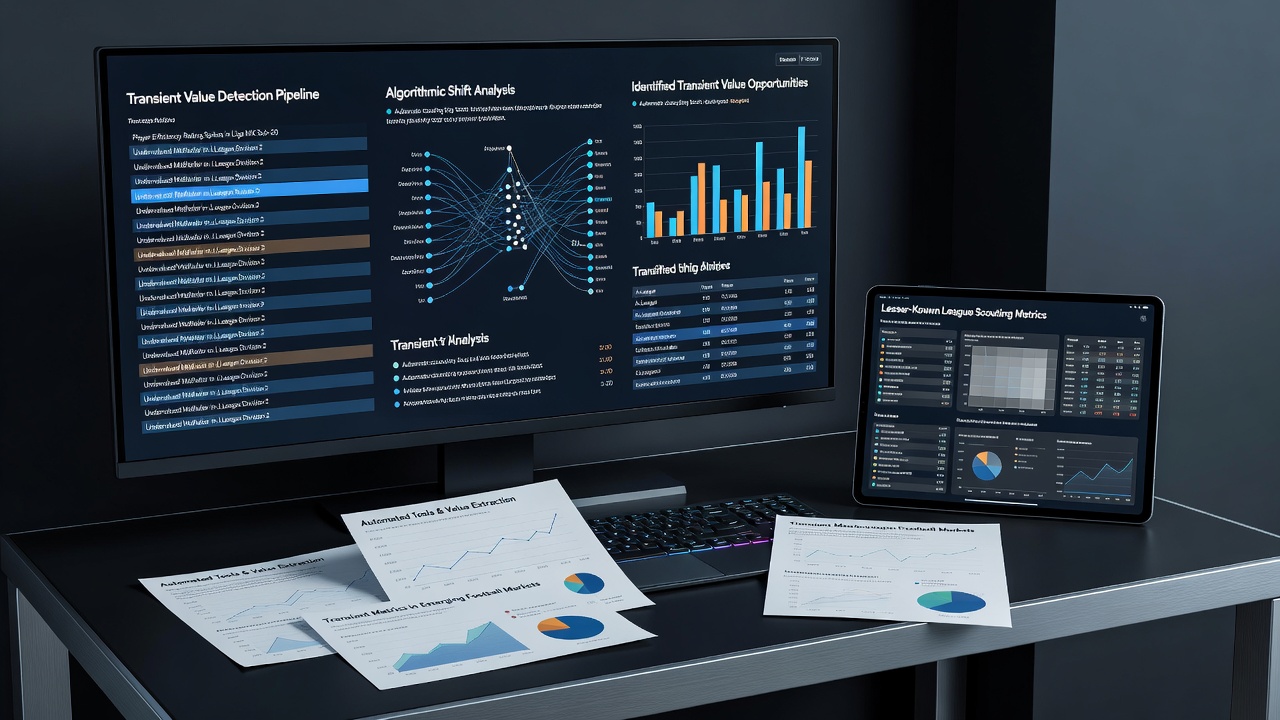
Automated systems now scan betting markets in lower-tier competitions from Bulgaria's second division to Indonesia's Liga 2, pulling odds from dozens of platforms in milliseconds while flagging price movements that appear only briefly before bookmakers adjust. These tools rely on machine learning models trained on historical data from matches with limited public attention, where slower information flow creates temporary gaps between true probabilities and published odds. Researchers have tracked how such systems prioritize variables like recent form in obscure fixtures, referee tendencies in regional tournaments, and even weather reports from venues far from mainstream coverage.
Data Streams Fueling the Process
Multiple inputs feed into these detection engines at once, including live score feeds from niche sports data providers, social media sentiment trackers monitoring local fan discussions, and historical performance databases covering leagues that rarely appear on major broadcasters. Algorithms cross-reference these streams against bookmaker pricing across several operators simultaneously, then apply statistical filters to isolate anomalies that exceed normal variance thresholds. In June 2026 several platforms reported upgrades to natural language processing modules that parse non-English match reports from Eastern European sources, allowing faster incorporation of team news that previously reached markets hours later.
Pattern Recognition in Low-Visibility Markets
Models identify transient value by comparing implied probabilities derived from current odds against projected outcomes generated through ensemble methods that blend Poisson distribution calculations with adjusted Elo ratings specific to each league. When a discrepancy exceeds a predefined margin and persists long enough for execution, the system flags the opportunity and routes it to connected user accounts. Observers note that leagues in South America and parts of Asia produce higher volumes of these signals because bookmakers allocate fewer resources to updating lines for matches with smaller betting turnover. One study from academic researchers at the University of Nevada examined several seasons of data and found that automated detection captured roughly three times as many short-lived edges in second-division Brazilian state championships compared with top-flight European fixtures.
Adaptation to Market Responses
Bookmakers have begun deploying their own defensive algorithms that monitor incoming bet volumes and adjust odds preemptively, forcing detection tools to evolve. Developers respond by shortening analysis windows from seconds to sub-second intervals and incorporating alternative data such as satellite imagery of training grounds or localized economic indicators that correlate with team motivation. This ongoing cycle means systems must retrain frequently on fresh datasets, particularly when regulatory changes alter how operators in different jurisdictions handle smaller competitions. Figures from industry reports compiled by the European Gaming and Betting Association reveal that processing latency dropped by an average of 40 percent between 2024 and 2026 across platforms focused on these markets.
Regional Variations and Tool Specialization
Tools designed for specific geographic clusters incorporate league-unique factors, such as the impact of long-distance travel in vast countries like Australia or the effects of monsoon seasons on pitch conditions in Southeast Asia. Canadian regulatory filings from gaming authorities show increased scrutiny of operators using automated systems for international lower leagues, prompting some providers to publish transparency reports on their data sources and model accuracy rates. Those who maintain these platforms often maintain separate model versions for each confederation, because playing styles and data availability differ sharply between, for example, African club competitions and lower divisions in Eastern Europe.
Integration With Execution Layers
Once a signal surfaces, downstream modules calculate stake sizing based on available liquidity and historical hit rates for similar patterns, then push instructions through API connections to betting accounts. This automation reduces the window during which human operators could react manually. External research published by Stanford University on high-frequency market monitoring has documented similar dynamics in other asset classes, where speed advantages compound over thousands of micro-opportunities rather than relying on any single large edge. Systems active in June 2026 now routinely log and analyze post-event outcomes to refine future detection thresholds, creating feedback loops that improve precision over successive matchdays.
Conclusion
Algorithmic identification of transient value in lesser-known leagues continues to advance through tighter integration of diverse data sources, faster processing architectures, and region-specific model tuning. As operators and regulators respond to these capabilities, the underlying detection methods keep shifting to maintain effectiveness across competitions that receive limited mainstream attention yet generate measurable inefficiencies on a consistent basis. Data from multiple jurisdictions indicates sustained investment in these technologies through at least the end of 2026.