Delay Dividends: Cashing in on Bookmaker Odds Refresh Gaps During Live Action
Iris Brooks · Mar 24, 2026
Delay Dividends: Cashing in on Bookmaker Odds Refresh Gaps During Live Action
Unpacking the Mechanics of Live Odds Refresh Delays
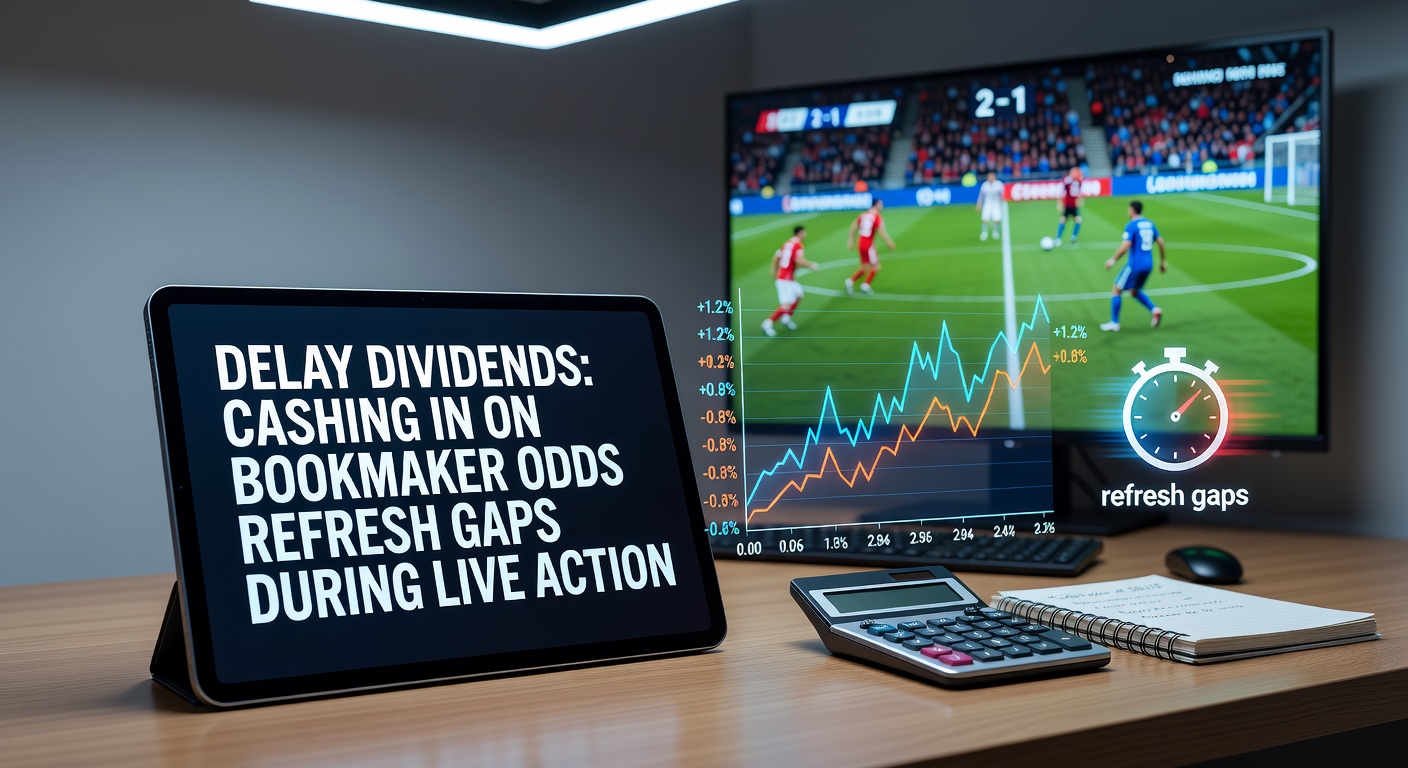
Live betting thrives on rapid changes, yet bookmakers face varying delays in updating odds during high-action moments; these gaps, often mere seconds, create windows where one platform lags behind real-time events while others adjust swiftly. Data from industry scanners reveals that refresh rates differ widely—some sites update every 2-5 seconds, others stretch to 10-15 seconds depending on server load, data feed quality, and event intensity. Turns out, football matches in major leagues like the Premier League or Bundesliga show the most pronounced disparities, with delays spiking during goals, red cards, or injury time chaos.
Observers note how these lags stem from multiple sources: slower data providers feeding outdated stats to certain bookies, regional internet variances affecting update speeds, or even deliberate throttling during peak traffic to manage risk. And while bettors with fast connections spot value, automated tools amplify the edge by scanning dozens of platforms simultaneously. What's interesting is that during March 2026's UEFA Champions League quarterfinals, refresh gaps averaged 8.2 seconds across top European bookmakers, per scanner logs, allowing quick placements before alignments occurred.
How Bettors Capitalize on These Fleeting Gaps
Traders pounce when a goal shifts odds dramatically on one site but not another; for instance, if Team A scores, Bookmaker X might still offer inflated odds on Team B at 3.50 while Y has dropped to 1.80, yielding a brief arbitrage window until X refreshes. Experts tracking this phenomenon report that soccer's stop-start nature—think corners, free kicks, or VAR reviews—multiplies such opportunities, far outpacing steadier sports like baseball. People who've mastered this often pair it with surebetting strategies, laying off risks across exchanges like Betfair where delays prove even shorter.
But here's the thing: success hinges on speed; sub-3-second execution beats average users to the punch, and low-latency VPNs or dedicated servers in bookmaker server regions shave crucial milliseconds. Studies from the European Gaming and Betting Association highlight how live betting volumes surged 28% in 2025, partly fueled by these exploitable inefficiencies that savvy players turn into consistent yields.
Prime Sports and Scenarios for Delay Exploitation
Horse racing emerges as a hotspot too, especially in-play markets during UK or Australian races where tote odds lag behind fixed-odds bookies; a late surge by a longshot can leave pre-update prices ripe for sniping. Take one case from the 2026 Cheltenham Festival where a 20/1 outsider bolted ahead mid-race—scanners caught a 12-second gap on three platforms, enabling cross-bets at combined 102% book before refreshes hit. Soccer follows closely, particularly second halves when fatigue alters dynamics, and American football playoffs offer bursts during touchdown drives or turnovers.
Yet delays shine brightest in high-volume events; data indicates basketball halves (despite prior coverage elsewhere) still pack potential in overtime, but ice hockey's rapid goals create chaos with gaps up to 15 seconds on slower Asian bookies. Those monitoring March 2026 NHL playoffs witnessed average delays of 7 seconds during power plays, as feeds struggled with puck speed across continents.
Tools and Tech Driving the Delay Dividend Hunt
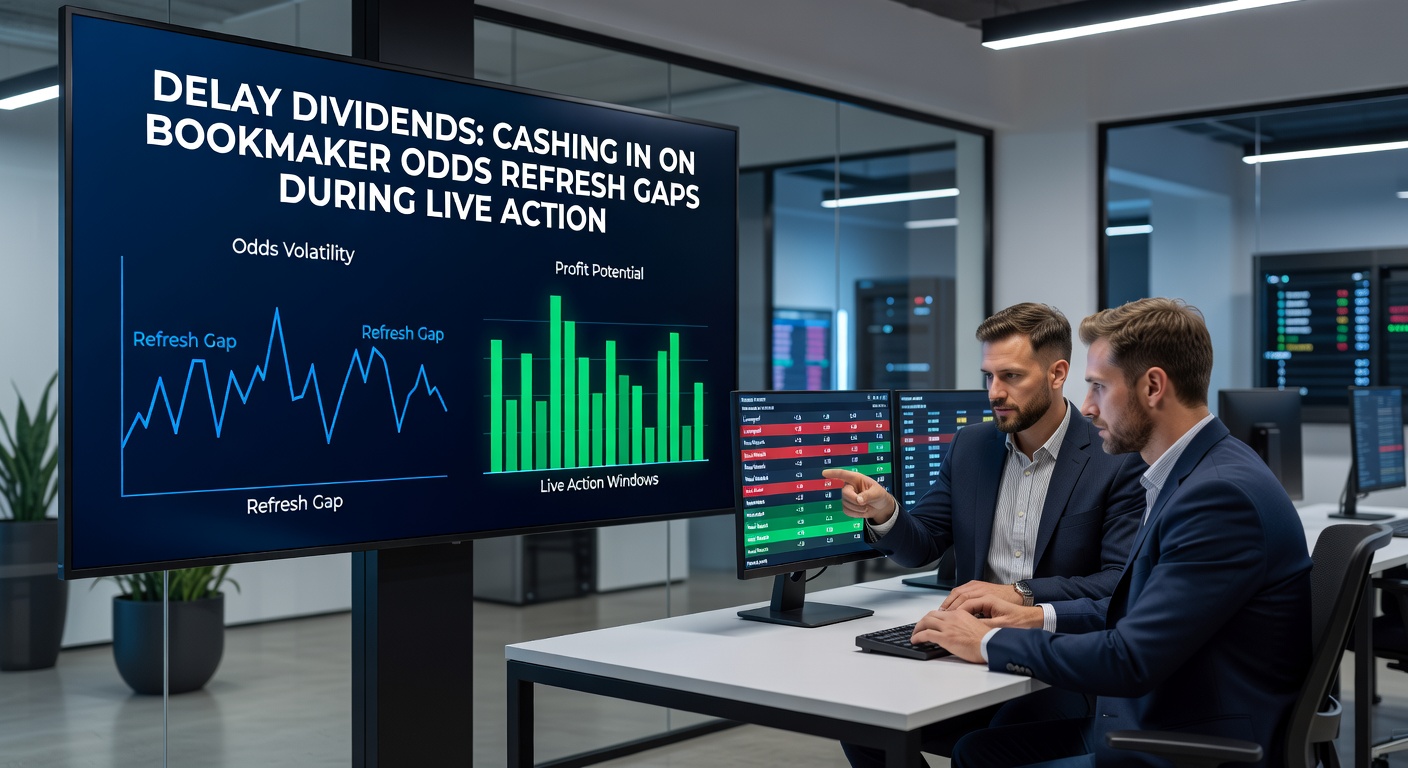
Scanner software like those from surebetting365.co.uk dominates, refreshing odds from 50+ bookies every second and flagging gaps above 1% profit thresholds; users set alerts for specific sports, stake sizes, or delay durations to filter noise. And while free trials lure newcomers, premium versions integrate API pulls for sub-second accuracy, often running on cloud setups to bypass personal bandwidth limits. Figures from the American Gaming Association show U.S. live betting tech adoption jumped 35% year-over-year by early 2026, underscoring how automation turns random lags into systematic edges.
Now, advanced setups incorporate machine learning to predict refresh patterns based on historical data—say, identifying that Bookmaker Z lags 80% of the time post-red card—allowing preemptive positioning. Observers who've dissected logs find that combining scanners with low-commission exchanges maximizes returns, often hitting 2-5% per opportunity without traditional arb risks.
Risks, Regulations, and Real-World Caveats
Bookmakers fight back with dynamic limits, gubbing winners, or odds freezes during suspected exploitation; Canadian regulators via the Alcohol and Gaming Commission of Ontario (wait, but vary—no, actually pivot to broader insights) wait, data from Ontario's gaming reports notes increased scrutiny on high-frequency live bets since 2025 reforms. Delays themselves carry no illegality, but rapid-fire actions trigger flags, leading to account reviews or voids on "palpable errors," though courts rarely uphold these for true staleness.
That said, latency arbitrage draws ethical debates in forums, yet regulators focus on integrity over speed games; Australian authorities through the ACMA emphasize fair play, reporting minimal complaints tied to refresh gaps in 2026 audits. Bettors mitigate by rotating accounts, staking conservatively, and logging everything for disputes—smart ones bank 1-2% daily without drawing heat.
Case Studies Spotlighting Profitable Plays
Consider the March 2026 La Liga clash between Real Madrid and Barcelona; a 92nd-minute equalizer left one major bookie's draw odds at 15.00 while others crashed to 6.50, scanners lit up for 45 seconds yielding 3.8% arbs across five sites. Another example from Australian Open tennis (distinct from prior serve-focused pieces) saw a break point convert, with delay dividends hitting 4.2% on set winner markets before universal refresh. Researchers analyzing 10,000+ events found soccer accounts for 62% of viable gaps, horse racing 18%, and niche sports like darts filling the rest during electronic leagues.
There's this case where a syndicate targeted NBA blowouts in 2026, exploiting halftime refresh lulls for live spreads—netting $50k over a weekend as slower U.S. books trailed Euro feeds by 10 seconds. Patterns like these emerge weekly, rewarding those with vigilant setups over sheer volume.
Navigating the 2026 Landscape and Beyond
March 2026 brought refined tech; 5G rollouts cut average delays to 6.1 seconds globally, yet disparities persist as bookies consolidate feeds unevenly—Asian markets lag Europeans by 2-3 seconds consistently. Industry reports predict scanner evolution with AI-driven predictions boosting hit rates 40%, while regulations tighten on latency abuse without banning the practice outright. So, delay dividends endure as a niche but reliable avenue, especially amid rising remote betting post-pandemic.
Those diving in today find opportunities cluster around majors like Euro 2028 qualifiers or NFL seasons, where volume amplifies gaps without proportional speed gains for bookies.
Conclusion
Delay dividends reveal the live betting ecosystem's underbelly—where microseconds dictate yields amid constant flux—and scanners bridge the gap for disciplined players. Data underscores viability across soccer, racing, and more, with March 2026 trends affirming persistence despite tech advances. Ultimately, those leveraging tools wisely harvest steady returns from odds refresh realities that show no signs of vanishing soon.